Seven Homelab Projects That Teach More Than a Certification Exam Ever Will
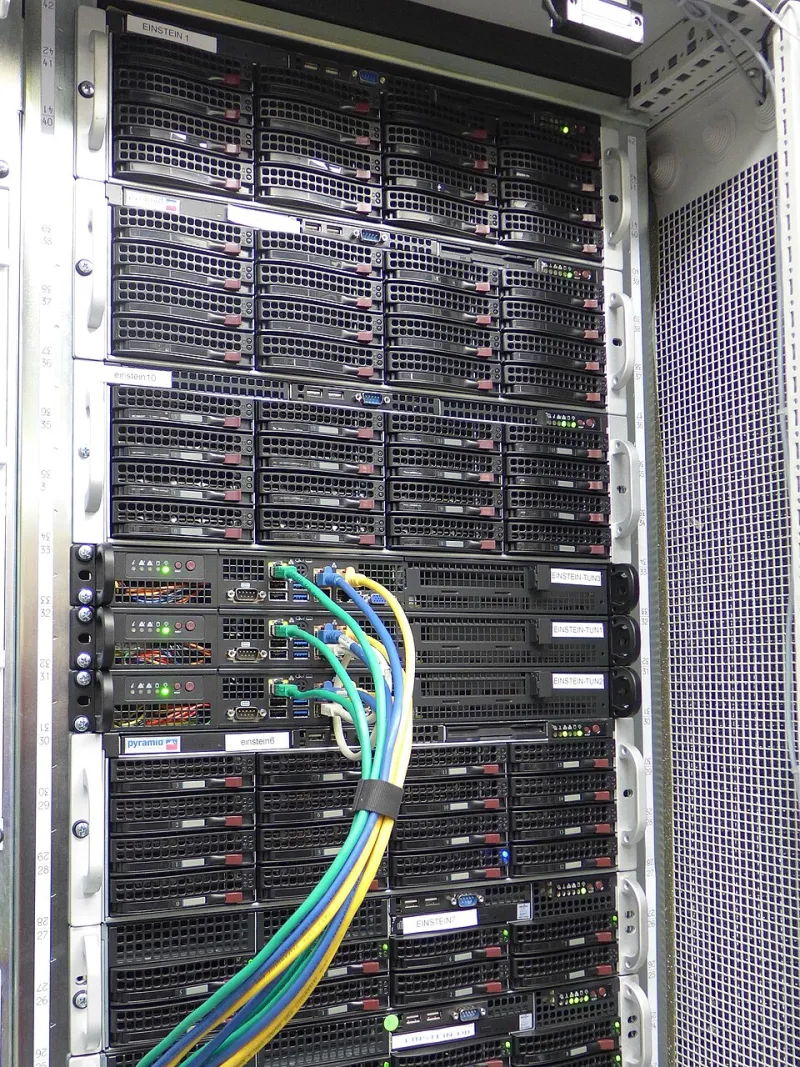
Photo: Ehrobod01, CC BY-SA 4.0, via Wikimedia Commons
Certifications Prove You Studied. A Lab Proves You Operated.
Hiring managers in the US market have learned to read between the lines of a certification list. A cert demonstrates exposure to material; a homelab demonstrates that you've broken real things at 11 P.M. and figured out how to fix them. For infrastructure, DevOps, and platform roles especially, a documented home lab can carry more weight in an interview than any acronym on your resume — provided you build the right things and can talk about them.
Start With a Budget Tier, Not a Shopping Spree
- Tier 1 — Under $300. A used mini PC (Dell OptiPlex, Lenovo ThinkCentre Tiny — abundant on the US secondary market) plus a spare router you can flash with OpenWrt. Enough for nearly everything below.
- Tier 2 — $300–$1,000. Two or three nodes for realistic clustering, a used enterprise switch for VLAN practice, and a small NAS or drives for storage experiments.
- Tier 3 — $1,000+. Only after Tier 2 projects have taught you what you actually need. Most engineers overbuy hardware and underinvest in documentation.
The Seven Projects, In Order
1. A Self-Hosted Kubernetes Cluster (Not MiniKube)
Stand up a multi-node cluster — k3s on modest hardware is perfectly legitimate — and run your own workloads on it. The learning lives in the friction: etcd health, node resource pressure, ingress configuration, certificate renewal. Being able to say "I run a three-node cluster at home and here's how I handled a node failure" is interview gold.
2. A Real Observability Stack
Prometheus, Grafana, and Loki, monitoring the cluster from project one. This is where metrics, logs, and dashboards stop being buzzwords. Bonus depth: configure alerting to a real channel and tune it until the noise is tolerable — you'll be rehearsing the exact skill employers complain is rare.
3. Network Segmentation With VLANs
Put your IoT devices, lab infrastructure, and personal machines on separate VLANs with firewall rules between them. This single project teaches subnetting, routing, and security posture more effectively than any multiple-choice exam, and it makes your home network genuinely safer.
4. Infrastructure as Code for Everything
Rebuild your entire lab from a fresh OS install using Ansible, Terraform, or both, checked into Git. The test is brutal and simple: wipe a node, rebuild it from the repo, and see what breaks. That exercise — treating your own infrastructure as disposable — is the core mindset of modern operations.
5. Automated Backups With Actual Restores
Set up scheduled backups of your critical services, then — this is the part everyone skips — practice restores on a schedule. Document your recovery time. A backup strategy you've never restored from is a hope, not a strategy, and saying so in an interview signals real operational maturity.
6. Home Automation With a Real Networking Spine
Home Assistant on your own hardware, integrated with the VLANs from project three and the monitoring from project two. It's a genuinely useful end product, and it forces you to deal with flaky devices, unreliable APIs, and long-tail debugging — the unglamorous work that fills real jobs.
7. A Deliberate Failure: Chaos Engineering, Home Edition
Once the lab is stable, attack it. Kill nodes mid-workload, saturate the disk, expire a certificate on purpose. Write down what you observed and what you'd change. Practicing failure on your own terms is the closest thing to production experience you can get without production stakes.
Turning the Lab Into Interview Material
- Document publicly. A Git repository or short blog posts describing your architecture, tradeoffs, and failures. Screenshots of Grafana dashboards beat bullet points.
- Translate to outcomes. Not "I run Kubernetes at home," but "I reduced my rebuild time from an afternoon to fifteen minutes with IaC and validated it by wiping nodes."
- Prepare three war stories. An outage you caused, a debugging session that taught you something non-obvious, a design decision you'd reverse. Interviewers remember stories, not topologies.
The Compounding Return
The lab's value compounds: each project builds on the last, and the whole becomes a narrative — someone who builds, operates, breaks, and documents systems end to end. That narrative, not the hardware, is the asset. Start with the mini PC, start with project one, and start writing it down.